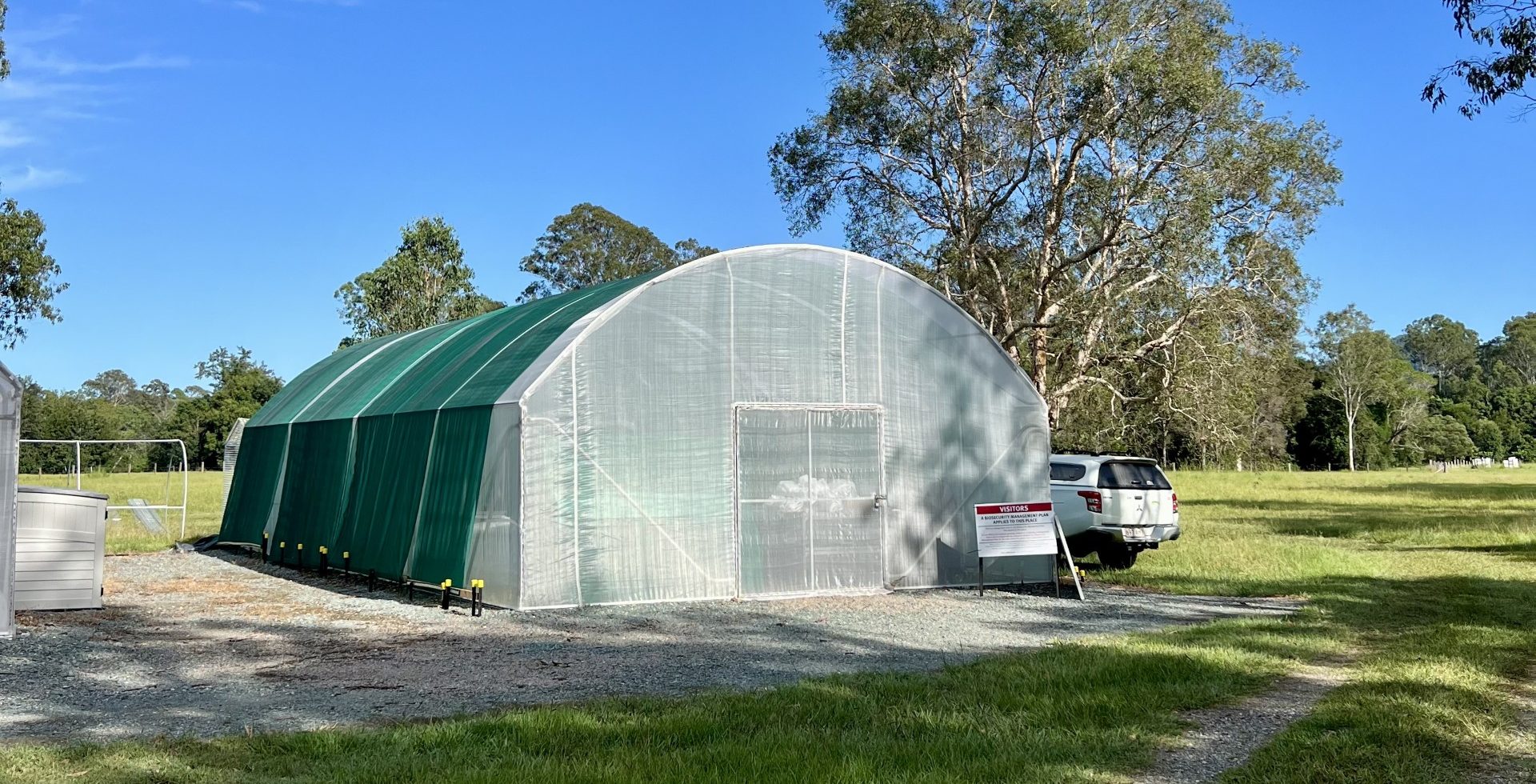
About the Facility
The Samford Biological Control Facility is a new regional hub dedicated to reducing the impact of two of SouthEast Queensland’s most damaging invasive vines – cat’s claw creeper (Dolichandra unguiscati) and Madeira vine (Anredera cordifolia). Led by Pine Rivers Catchment Association (PRCA) and located at the Queensland University of Technology’s Samford Ecological Research Facility (SERF), the facility breeds hostspecific biological control agents that weaken invasive vines and support long-term ecosystem recovery.
The Samford Biological Control Facility is a Resilient Rivers SEQ project funded by the Australian Government, Queensland Government and Council of Mayors (SEQ) as part of the South East Queensland City Deal. The Deal is a partnership between the Australian Government, Queensland Government and Council of Mayors (SEQ) delivering long-lasting benefits to the region.
Resilient Rivers South East Queensland (RRSEQ)
Resilient Rivers SEQ is an initiative of Council of Mayors (SEQ) delivering coordinated catchment management for healthy and resilient waterways and wetlands across SEQ. RRSEQ was established after the 2011 and 2013 floods, recognising that waterway health and flood resilience requires coordinated action across council boundaries.
Resilient Rivers SouthEast Queensland (RRSEQ) is one of Australia’s most successful regional partnerships for catchment management. Established after the 2011 and 2013 floods, the program recognised that waterway health and flood resilience require coordinated action across council boundaries.
The initiative is one of Australia’s most successful regional partnerships for catchment management, supported by all levels of government, utilities, NRM groups, and community organisations.
RRSEQ has spent more than a decade improving the health and resilience of SEQ’s waterways, wetlands, and Moreton Bay.
The partnership is grounded in a simple principle: we achieve more through collaboration, cooperation and coordination than by working alone. Through the $40 million SEQ City Deal investment, RRSEQ continues to deliver largescale environmental outcomes that protect drinking water, stabilise soils, restore riparian corridors, and build climate resilience.
The Samford Biological Control Facility is funded through this program as a strategic investment in longterm, sustainable weed management across the region
Why Biological Control Matters
Cat’s claw creeper and Madeira vine are among SEQ’s most destructive invasive weeds. They smother native vegetation, choke waterways, and undermine restoration efforts across bushland, riparian zones, and agricultural landscapes. Managing these invasive vines requires a holistic approach that combines multiple strategies to achieve effective, long-term control.
While traditional methods such as manual removal and herbicide application remain important tools, especially for large infestations, biological control plays a crucial role in reducing reliance on chemicals and labour-intensive treatments. By introducing natural enemies that specifically target these weeds without harming native species, biological control offers a sustainable, long-term solution.
Once established, these agents can suppress invasive vines for decades with minimal ongoing intervention. The Samford Biological Control Facility strengthens regional capacity to manage invasive weeds at scale, reducing pressure on councils, landholders, and community groups while supporting healthier, more resilient ecosystems.
Our Partners
PRCA leads the project with more than 25 years of experience in integrated catchment management, community engagement, and environmental restoration. Resilient Rivers SEQ provides the funding and regional framework that enables the facility to contribute to broader catchment outcomes. Seqwater supports the initiative through its longstanding commitment to source water protection and weed management across the North Pine River catchment. QUT’s Samford Ecological Research Facility provides the physical site and research partnership opportunities, aligning with its mission in sustainability and the natural sciences.
Facility Overview
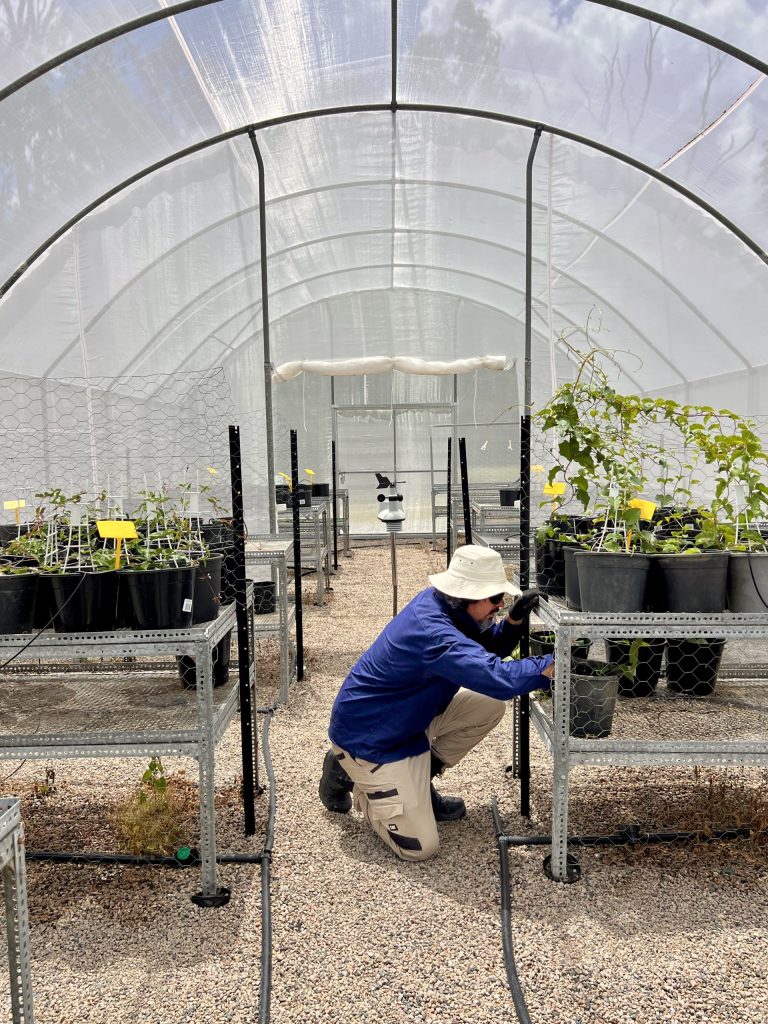
The facility operates from QUT’s Samford Ecological Research Facility (SERF) at Camp Mountain. It includes a 14 × 7 metre screenhouse and an 8 × 2.74 metre polytunnel, which together provide controlled environments for plant propagation and agent rearing. These structures are fully enclosed and designed to maintain strict biosecurity, ensuring that restricted plant material and biological control agents are safely contained throughout the rearing process.
Biosecurity & Safety
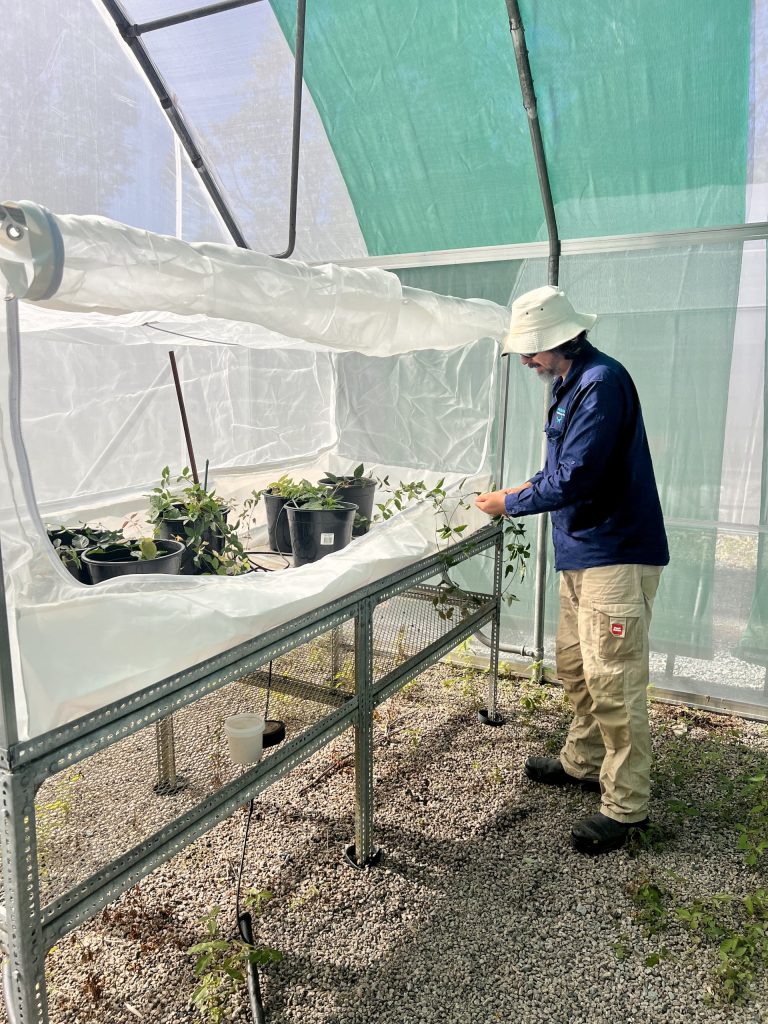
Biosecurity is central to the facility’s operation. All Category 3 restricted plant material is handled under strict containment, with controlled workflows, enclosed structures, and approved disposal methods. Staff and volunteers complete mandatory WHS and biosecurity inductions, ensuring that every person on site understands their responsibilities and the protocols that protect both the facility and the surrounding environment.
Species Rearing
The facility initially focuses on two key biological control agents:
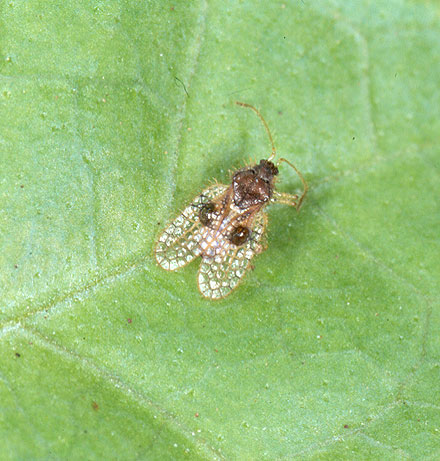
- The leafsucking tingid (Carvalhotingis visenda) for cat’s claw creeper
- The Madeira vine beetle (Plectonycha correntina) for Madeira vine.
Rearing follows best practice guidelines from the Biological Control of Weeds Manual, with regular monitoring of colony health, host plant supply, and developmental stages. Once populations reach viable numbers and meet quality indicators, adult beetles are harvested, documented, and prepared for release. As research progresses, the facility may expand to rear additional approved agents.
Releases & Monitoring
Biological control agents produced at the facility will be released through PRCA’s Seqwaterfunded Source Protection Program and supplied to partner organisations across SEQ. Priority release sites are selected based on infestation severity, ecological value, and collaboration opportunities with landholders and councils.
Monitoring begins shortly after release and continues over the medium to long term, tracking establishment, feeding activity, weed suppression, and ecological outcomes. These insights guide adaptive management, allowing the facility to refine rearing methods, release timing, and site selection to maximise effectiveness.
Community Engagement
The facility is designed as a community connected hub. Volunteers play a vital role in onground operations, and partnerships with schools, universities, and citizen science groups create opportunities for learning, research, and hands on involvement. Workshops, open days, and educational resources help build public understanding of biological control and its role in integrated weed management.
Regional Impact
By producing and supplying biological control agents locally, the facility strengthens SEQ’s capacity to manage invasive vines at scale. This contributes directly to improved waterway health, enhanced riparian resilience, reduced chemical reliance, and longterm ecological recovery. The facility also supports the collaborative ethos of the Resilient Rivers SEQ Program, helping to deliver coordinated, cross regional outcomes that benefit communities, landscapes, and biodiversity.
Project Timeline
From 2025 to 2027, the project will progress through facility establishment, rearing cycles, release programs, monitoring, community engagement, and reporting. Each stage builds toward a longterm, self-sustaining regional biocontrol network that continues to deliver benefits well beyond the initial funding period.
Get Involved
Community members, landholders, students, and partner organisations are invited to participate through volunteering, monitoring programs, workshops, training opportunities, and collaborative research. The facility also supplies biological control agents to eligible organisations across SEQ, supporting broader regional weed management efforts.